

Introduction
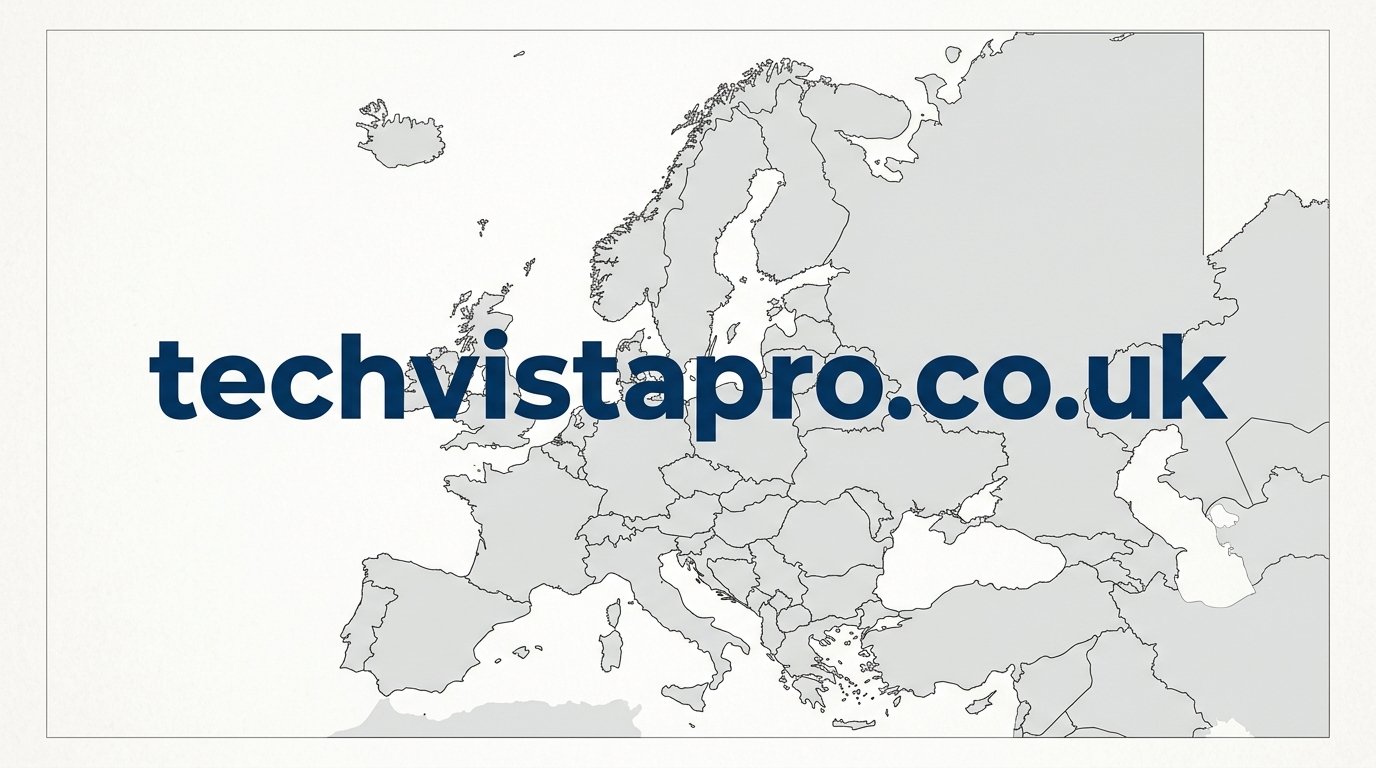
A blank map of Europe is one of the most widely used geographical learning tools in education, research, and digital mapping. It presents the European continent without labels, country names, or sometimes even internal borders, depending on the version. This simple outline format allows users to focus on spatial understanding rather than memorizing text, making it a powerful tool for geography learning and cognitive development.
Europe is a highly diverse continent with more than 40 countries, multiple cultural regions, and complex political boundaries. Because of this complexity, a blank map becomes especially valuable in helping students, educators, travelers, and researchers understand how countries relate to one another spatially. It transforms geography into an interactive learning experience rather than passive memorization.
Understanding the Concept of a Blank Map of Europe
A blank map of Europe is essentially an outline representation of the continent that removes textual information such as country names, capital cities, and geographical labels. In some versions, only the outer boundary of Europe is shown, while more detailed versions include internal country borders without names. This allows users to focus entirely on structure and recognition rather than written information.
This type of map is widely used in classrooms because it helps learners engage with geography in a more active way. Instead of reading from a labeled map, students are required to recall and apply their knowledge. This process strengthens memory retention and improves understanding of spatial relationships between countries, regions, and physical features across Europe.
The Geography of Europe and Why Blank Maps Are Important
Europe is the second smallest continent in the world by area, yet it is one of the most densely populated and politically diverse regions. It includes countries ranging from large nations like Russia and France to small microstates such as Monaco and Liechtenstein. This diversity makes it an ideal subject for detailed geographical study using blank maps.
Because European countries are closely positioned and often have complex borders, learning them through memorization alone can be difficult. A blank map simplifies this challenge by allowing learners to visualize the continent’s structure. It helps users understand how regions such as Western Europe, Eastern Europe, the Balkans, and Scandinavia are positioned in relation to one another.
Educational Importance of Blank Maps in Geography Learning
Blank maps of Europe are widely used in schools and universities because they support active learning techniques. Instead of passively observing information, students are required to recall and reconstruct geographical knowledge on their own. This improves cognitive retention and strengthens long-term understanding of European geography.
Educators often use these maps for exercises where students label countries, identify capitals, or mark physical features such as rivers and mountain ranges. This approach is particularly effective because it combines visual memory with repetition, which helps learners build a stronger mental map of Europe over time.
Different Types of Blank Maps of Europe
Blank maps of Europe are available in several formats depending on their intended use. Some versions display only the outer outline of the continent, while others include internal political borders without labels. These variations allow users to choose the level of difficulty and detail they need for learning or presentation purposes.
Modern digital mapping platforms provide high-resolution blank maps in formats such as PDF, PNG, and SVG, which can be used for printing, editing, or interactive learning. These digital versions are especially useful for teachers and designers because they can be customized for different educational activities, presentations, or research projects.
How Students Use Blank Maps to Study Europe
Students frequently use blank maps of Europe as part of geography assignments and exam preparation. They fill in country names, mark capital cities, and sometimes label major rivers or mountain ranges. This practice helps reinforce their understanding of European geography through repetition and active engagement.
Teachers also use blank maps as testing tools to evaluate student knowledge. By removing all labels, educators can accurately assess how well students understand the layout of Europe. Over time, repeated practice with blank maps helps students quickly recognize countries and regions without relying on external prompts.
Role of Blank Maps in Digital Learning and Technology
With the growth of digital education, blank maps of Europe have become increasingly integrated into online learning platforms. Interactive quizzes, educational apps, and virtual classrooms now use these maps to help learners practice geography in a more engaging way. Users can drag and drop labels, color regions, and receive instant feedback.
These digital tools have made geography more accessible and engaging for learners of all ages. Instead of relying only on printed worksheets, students can now interact with dynamic maps that respond to their input. This improves engagement and helps reinforce learning through real-time correction and repetition.
Cognitive Benefits of Using Blank Maps
Blank maps are highly effective for improving memory because they encourage active recall. When learners try to remember and place countries on a blank map, they strengthen neural connections associated with spatial awareness and long-term memory retention. This method is considered more effective than simply reading from a labeled map.
Studies in educational psychology suggest that active engagement techniques like map labeling improve recall accuracy and reduce forgetting over time. A blank map of Europe, in particular, is useful because it requires learners to distinguish between many closely situated countries, enhancing precision and attention to detail.
Challenges of Learning Europe Through Blank Maps
Although blank maps are highly effective learning tools, they can also be challenging, especially for beginners. Europe contains many small countries and tightly packed regions, particularly in areas such as the Balkans and Eastern Europe. This density can make it difficult to correctly identify and place all countries at first.
However, these challenges are part of the learning process. With repeated practice, learners gradually become more familiar with country shapes, locations, and regional groupings. Over time, what once seemed difficult becomes intuitive, and users develop strong geographic confidence and accuracy.
Conclusion
A blank map of Europe is more than just an empty outline; it is a powerful educational and cognitive tool that supports geography learning, memory development, and spatial awareness. By removing labels and encouraging active participation, it transforms the study of Europe into an interactive and engaging experience.
