

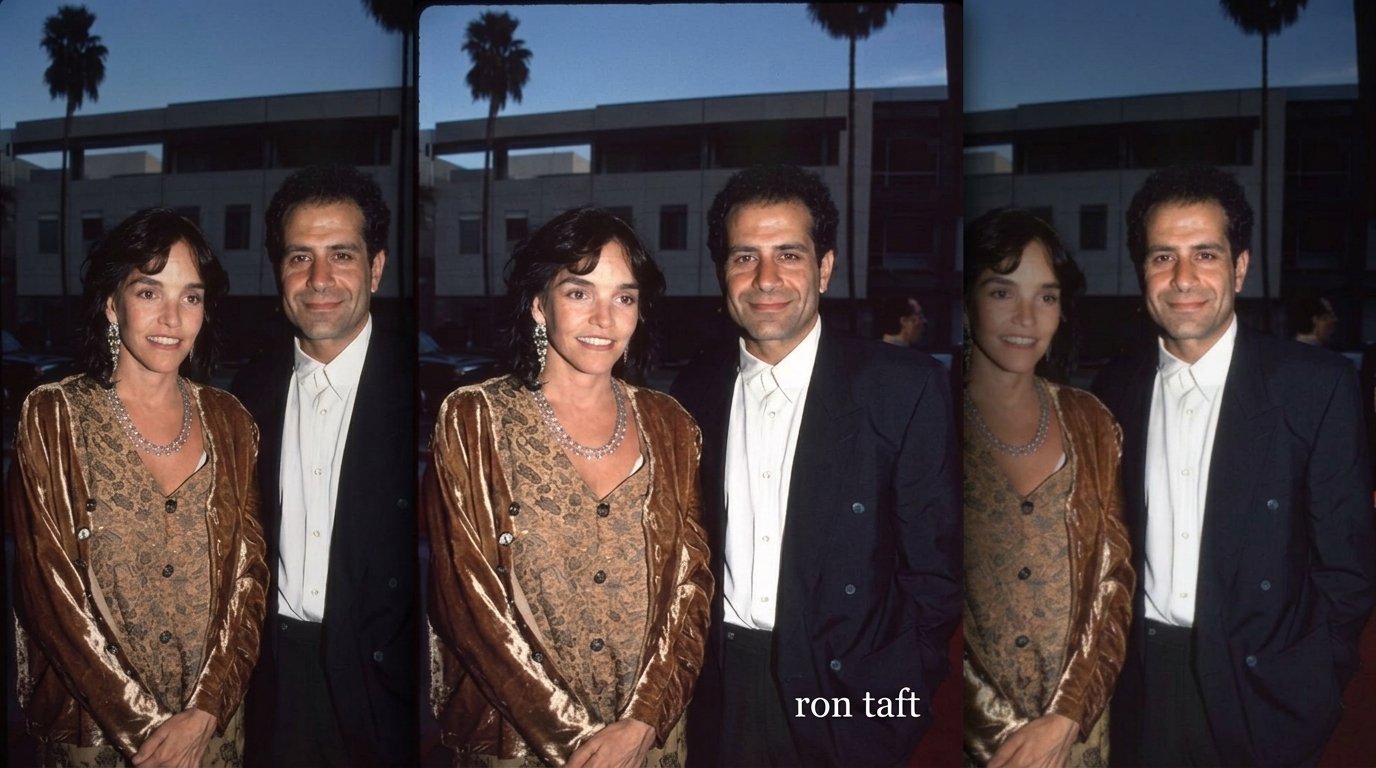
Ron Taft is a respected name in brand innovation, design, and media arts. Over a career spanning more than five decades, he has built a reputation as a strategist and creative director who knows how to turn an idea into a memorable brand experience. His work touches industries people interact with daily, from advertising agencies and television networks to music campaigns and global product launches, even if they never learn his name.
What makes his story worth exploring isn’t just his client list or the awards on his shelf, but the way he has moved fluidly between creative disciplines, adapting as media, marketing, and technology shifted around him. This article looks at who he is, what he has accomplished, and why his approach still offers lessons for creative professionals today.
Who Is Ron Taft
Ron Taft was born on November 25, 1947, and has spent his professional life at the intersection of design, advertising, and entertainment marketing. He is known today as a multi-disciplinary brand innovation and media arts strategist, a title that reflects how broad his skill set has become. Rather than staying confined to one lane, such as television promotion or product branding, he has built a career connecting creative disciplines that most professionals keep separate.
Before becoming a well-known creative director, Taft had a brief career as an actor, appearing in small roles in film and television during the 1970s and 1980s, including Future Force and episodes of The Incredible Hulk. This early exposure to entertainment production gave him a front-row seat to how studios build audience engagement, a perspective that later shaped his advertising and branding work. He is also known publicly for his marriage to actress Lesley Ann Warren, whom he has been married to since January 2000, though his professional identity remains firmly rooted in brand strategy and creative direction.
Early Career and Entertainment Industry Roots
Ron Taft’s path into brand innovation did not start in a boardroom. It started on set, and later behind the scenes as an assistant director. Working in film and television production early in his career gave him direct insight into storytelling, pacing, and audience attention, all essential skills for advertising and promotional work.
This background also introduced him to television network promotion, an industry that blends creative storytelling with commercial strategy. Understanding how networks position shows and build anticipation gave Taft an advantage once he moved into full-time creative direction, a hybrid path shared by many successful strategists in entertainment marketing. By the time he shifted fully into advertising and design, he carried a rare combination of creative instinct and practical production knowledge, a foundation that would define the rest of his career.
Transition Into Advertising and Creative Direction
As Taft moved away from acting, he built a substantial career in advertising, eventually serving as Executive Vice President and Creative Director at Dailey Interactive, part of the IPG advertising network. This role placed him at the center of large-scale brand campaigns, corporate communications, and marketing strategy for major companies across multiple industries.
During his agency leadership years, Taft worked on campaigns spanning luxury goods, automotive branding, consumer electronics, and entertainment marketing, each demanding a different creative voice. His ability to shift tone between a luxury diamond brand and a consumer electronics launch speaks to the flexibility that defines his creative philosophy, and it solidified his reputation for delivering brand identities that were not just visually appealing but strategically sound.
Creative direction at this level requires balancing artistic vision with business objectives, and this agency work became the proving ground for the brand innovation approach he would later apply through his own company.
Founding Ron Taft Brand Innovation and Media Arts
In 2008, Ron Taft founded his own company, Ron Taft Brand Innovation & Media Arts, marking a shift from agency leadership to independent creative consulting. This move let him work more directly with clients on brand identity, product launches, branded events, and promotional campaigns without the layers typical of larger agencies.
Since founding the company, Taft has worked with clients including Sony Pictures, HBO, The Emmys, Leo Schachter Diamonds, Hästens, United Recording, Guitar Center, Roland, Microsoft, Nike, Ferrari, Stella Artois, and NASA, a roster spanning entertainment, luxury goods, technology, automotive, and aerospace that underscores how adaptable his brand strategy work has become. Running an independent practice also gave Taft greater creative control, allowing him to apply lessons from decades of agency and entertainment experience to each new project.
This entrepreneurial chapter is often seen as the clearest expression of his creative philosophy: flexibility, cross-industry thinking, and respect for storytelling in branding.
Award-Winning Recognition in Design and Media
Ron Taft’s creative work has earned significant recognition across design and advertising. He has received 32 Graphis awards, a respected international honor that celebrates excellence in visual communication, branding, and advertising design. Earning this many awards over a career places him among a select group of designers recognized consistently at a high level.
He has also received two Emmy Awards for his contributions to Columbia TriStar Television, recognizing his work in television promotion and media arts, along with two artist awards tied to Grammy campaigns that reinforce his deep ties to the music industry. Together, these accolades show that his creative output has been validated repeatedly by industry peers across television, design, and music, not by client satisfaction alone.
Involvement in Music Industry and Nonprofit Work
Beyond commercial branding, Ron Taft has maintained a strong connection to the music industry and nonprofit advocacy. He has served on the boards of The Quincy Jones Music Consortium and The Mr. Holland’s Opus Foundation, two organizations dedicated to supporting music education and access for underserved communities.
His involvement extends to outreach campaigns for organizations such as NAMM, the National Association of Music Merchants, Music Rising, and The NARAS Foundation, affiliated with the Recording Academy behind the Grammy Awards, with initiatives often focused on music education, disaster relief for musicians, and expanding access to instruments and training. Taft has also contributed promotional work for The Academy of Television Arts and Sciences, Kidspace Children’s Museum, ArtCenter College of Design, and Berklee College of Music, where he once studied composition, showing a creative director who applies his skills to causes tied to education and the arts, not just corporate clients.
Notable Clients and Industry Reach
The breadth of Ron Taft’s client roster is one of the clearest signs of his versatility as a brand strategist. His work has touched entertainment giants like Sony Pictures and HBO, luxury brands such as Hästens and Leo Schachter Diamonds, and major technology and consumer companies including Microsoft and Nike. Few creative directors maintain relevance across such different industries for as long as Taft has.
His automotive work with Ferrari and aerospace-related promotional work with NASA further show how his brand innovation approach translates beyond entertainment and consumer products, sectors that demand precision, credibility, and a strong sense of brand heritage. This diverse client history reflects the trust major organizations place in his judgment, since building identities for institutions as different as NASA and Guitar Center requires understanding each brand’s audience and values.
Ron Taft’s Approach to Brand Innovation
What sets Ron Taft apart in branding and media arts is his consistent emphasis on strategy paired with creative execution. Rather than treating design as decoration, his career reflects a belief that strong branding must be rooted in a clear understanding of business goals, audience psychology, and cultural context, a principle he appears to have practiced long before it became a common industry talking point.
His background in entertainment production, combined with formal agency leadership experience, gives his brand innovation work a layered quality that purely design-focused creatives sometimes lack, since he understands how a campaign should perform across television, print, digital platforms, and live branded events.
Ultimately, Taft’s career demonstrates that lasting success in creative direction comes from adaptability. Whether working on a Grammy campaign, a Ferrari promotional launch, or a nonprofit outreach initiative for music education, his work consistently reflects the same core discipline: understand the audience, respect the brand’s identity, and create something that genuinely connects.
Legacy and Lasting Contributions
Looking back at Ron Taft’s career, a clear legacy emerges around his ability to bridge entertainment, advertising, and music industry branding in ways few professionals manage. His Emmy Awards for Columbia TriStar Television promotions and his Grammy-related artist awards place him in rare company among creative directors recognized across multiple entertainment sectors.
His long-term board involvement with organizations like The Quincy Jones Music Consortium suggests a legacy extending beyond commercial success into genuine industry stewardship, since supporting music education for future generations is not typically part of a standard advertising career, yet it has remained a consistent thread throughout his professional life.
As brand innovation continues to evolve alongside new media platforms and changing audience habits, Ron Taft’s decades-long track record offers a useful case study for creative professionals. His career shows that the most valuable creative directors are often the ones who move confidently between disciplines while staying grounded in strong strategic fundamentals.
