

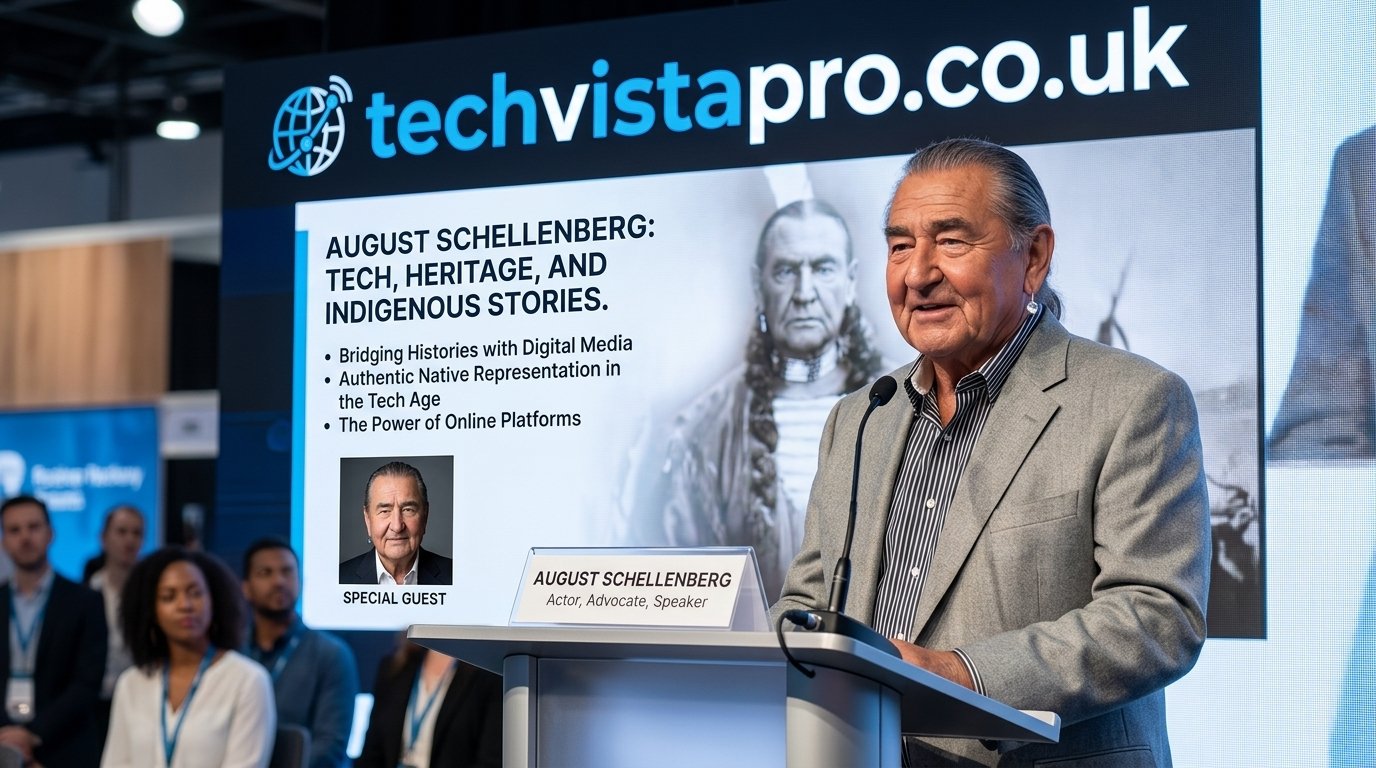
August Schellenberg was one of Canada’s most respected character actors, remembered for his powerful screen presence, remarkable versatility, and meaningful portrayals of Indigenous and historical figures. Throughout a career spanning nearly five decades, he appeared in acclaimed films, television series, and theater productions that earned him recognition across North America. His performances in Free Willy, Black Robe, The New World, and Bury My Heart at Wounded Knee introduced millions of viewers to his exceptional talent and dedication to authentic storytelling.
Although August Schellenberg passed away in 2013, his work continues to inspire audiences, actors, and filmmakers. His commitment to portraying Indigenous characters with dignity and depth helped shape conversations about representation in film and television. This article explores his life, career, achievements, personal values, and the enduring legacy he left behind.
Early Life and Family Background
August Werner Schellenberg was born on July 25, 1936, in Montreal, Quebec, Canada. He came from a multicultural family, with a Swiss father and an English-Mohawk mother, giving him a unique heritage that later influenced many of the roles he portrayed. Growing up in Canada during a changing cultural landscape, he developed an appreciation for storytelling and performance from an early age.
His passion for acting led him to study at the National Theatre School of Canada, where he graduated in 1966. The formal training gave him a strong foundation in classical theater and stage performance. Soon after graduation, he began touring with theater companies across Canada, steadily building a reputation as a disciplined and gifted actor capable of handling both dramatic and historical roles.
Beginning of an Outstanding Acting Career
Schellenberg started his professional journey in theater before expanding into television and film. His early stage performances showcased his impressive range, allowing him to perform everything from Shakespeare to modern Canadian plays. Winning the Tyrone Guthrie Award at the Stratford Festival in 1967 highlighted his talent early in his career and opened additional opportunities in professional theater.
His transition into television and cinema came during the early 1970s with appearances in Canadian productions, including Rip-Off. These early roles demonstrated his ability to portray complex characters with emotional authenticity. As producers and directors recognized his talent, he quickly became a familiar face in both Canadian and American entertainment industries.
Breakthrough Roles in Film and Television
August Schellenberg gained international recognition through several memorable performances. One of his best-known roles was Randolph Johnson in the Free Willy film series, where he portrayed a compassionate mentor whose wisdom and kindness became central to the story. His performance resonated with audiences of all ages and remains one of his most recognizable achievements.
Another career-defining role came in Black Robe (1991), where he portrayed Chomina, earning widespread critical acclaim and a Genie Award for Best Supporting Actor. He later impressed audiences as Chief Powhatan in Terrence Malick’s The New World and as Sitting Bull in HBO’s Bury My Heart at Wounded Knee, a performance that earned him a Primetime Emmy nomination.
Representation of Indigenous Characters
One of the defining aspects of Schellenberg’s career was his dedication to portraying Indigenous leaders and historical figures with respect and authenticity. Throughout his career, he played characters such as Sitting Bull, Powhatan, Cochise, and Chomina. These performances brought important Indigenous stories to mainstream audiences and demonstrated the importance of thoughtful representation in cinema.
His portrayals were never simply historical recreations. Instead, he approached each role with careful preparation and emotional depth, helping viewers better understand Indigenous history and culture. His work remains influential in discussions about diversity, cultural respect, and accurate historical storytelling within the entertainment industry.
Theater Career and Artistic Excellence
Before becoming widely recognized on screen, Schellenberg established himself as an accomplished stage actor. He performed with leading theater companies throughout Canada, including the Stratford Festival, Shaw Festival, Neptune Theatre, Vancouver Playhouse, and numerous regional theaters. These experiences strengthened his acting abilities and earned him respect among fellow performers.
His theatrical work included productions of King Lear, A Streetcar Named Desire, The Rainmaker, The Diary of Anne Frank, and Antony and Cleopatra. He also participated in original Canadian productions that explored Indigenous experiences and Canadian identity, further demonstrating his commitment to meaningful storytelling.
Awards, Recognition, and Professional Achievements
Throughout his distinguished career, August Schellenberg received numerous honors recognizing both his talent and contribution to the performing arts. His Genie Award for Black Robe confirmed his status as one of Canada’s finest actors. He also earned a Gemini Award, several additional nominations, and multiple honors from Indigenous film organizations celebrating his outstanding performances.
His portrayal of Sitting Bull in Bury My Heart at Wounded Knee earned him a Primetime Emmy Award nomination for Outstanding Supporting Actor. Beyond acting awards, he was inducted into the Aboriginal Walk of Honour and received lifetime achievement recognition for his impact on Canadian theater and film, reflecting the respect he earned from audiences and fellow professionals alike.
Personal Life Beyond the Screen
Away from acting, Schellenberg enjoyed a rich personal life centered on family, learning, and community service. He was married to actress Joan Karasevich and was the father of three daughters. Friends and colleagues remembered him as warm, generous, and deeply committed to mentoring young performers.
He also taught acting workshops at educational institutions and Indigenous theater programs, encouraging aspiring actors to develop confidence and professionalism. Outside of entertainment, he enjoyed cooking, reading, sports, and charitable activities. His lifelong commitment to education and mentorship extended his influence well beyond the screen.
Final Years and Enduring Legacy
In his later years, August Schellenberg continued acting while remaining active in community programs and educational initiatives. He passed away on August 15, 2013, in Dallas, Texas, following a battle with lung cancer. News of his death prompted tributes from actors, filmmakers, Indigenous organizations, and fans around the world who recognized his extraordinary contribution to film and theater.
Today, his performances continue to be appreciated by new generations discovering classic films and television series. His work remains an important part of Canadian cinema, Indigenous representation, and historical storytelling. Many critics regard him as one of the most respected character actors of his generation, and his legacy continues to influence performers seeking authenticity and excellence in their craft.
Why August Schellenberg Still Matters Today
The importance of August Schellenberg’s career extends beyond awards and memorable performances. He demonstrated that supporting actors can profoundly influence a story through authenticity, emotional depth, and careful character development. His dedication to portraying historical figures honestly helped broaden public understanding of Indigenous history and culture in North America.
Modern audiences continue to discover his work through streaming platforms and classic film collections. His performances in Free Willy, Black Robe, DreamKeeper, The New World, and Bury My Heart at Wounded Knee remain relevant because they combine compelling storytelling with genuine humanity. His legacy serves as a lasting reminder that great acting can educate, inspire, and preserve important cultural narratives for future generations.
Conclusion
August Schellenberg built an extraordinary career through talent, discipline, and an unwavering commitment to authentic storytelling. From his early years in Canadian theater to internationally acclaimed performances in film and television, he consistently delivered memorable characters that resonated with audiences worldwide. His portrayals of Indigenous leaders, mentors, and historical figures helped elevate representation while showcasing his remarkable acting ability.
Even years after his passing, August Schellenberg remains an admired figure in Canadian entertainment and Indigenous cinema. His body of work continues to inspire actors, filmmakers, historians, and movie lovers, ensuring that his contributions to storytelling and cultural representation will be remembered for generations.
FAQs
Who was August Schellenberg?
August Schellenberg was a Canadian actor known for his work in film, television, and theater. He gained international recognition for roles in Free Willy, Black Robe, The New World, and Bury My Heart at Wounded Knee.
When was August Schellenberg born?
He was born on July 25, 1936, in Montreal, Quebec, Canada.
What was August Schellenberg’s most famous role?
Many audiences know him best as Randolph Johnson in the Free Willy films, although critics also highly praise his performances in Black Robe and Bury My Heart at Wounded Knee.
Did August Schellenberg win any awards?
Yes. He won a Genie Award, a Gemini Award, and received a Primetime Emmy Award nomination, along with several other honors during his career.
When did August Schellenberg die?
He passed away on August 15, 2013, in Dallas, Texas, after battling lung cancer.
