

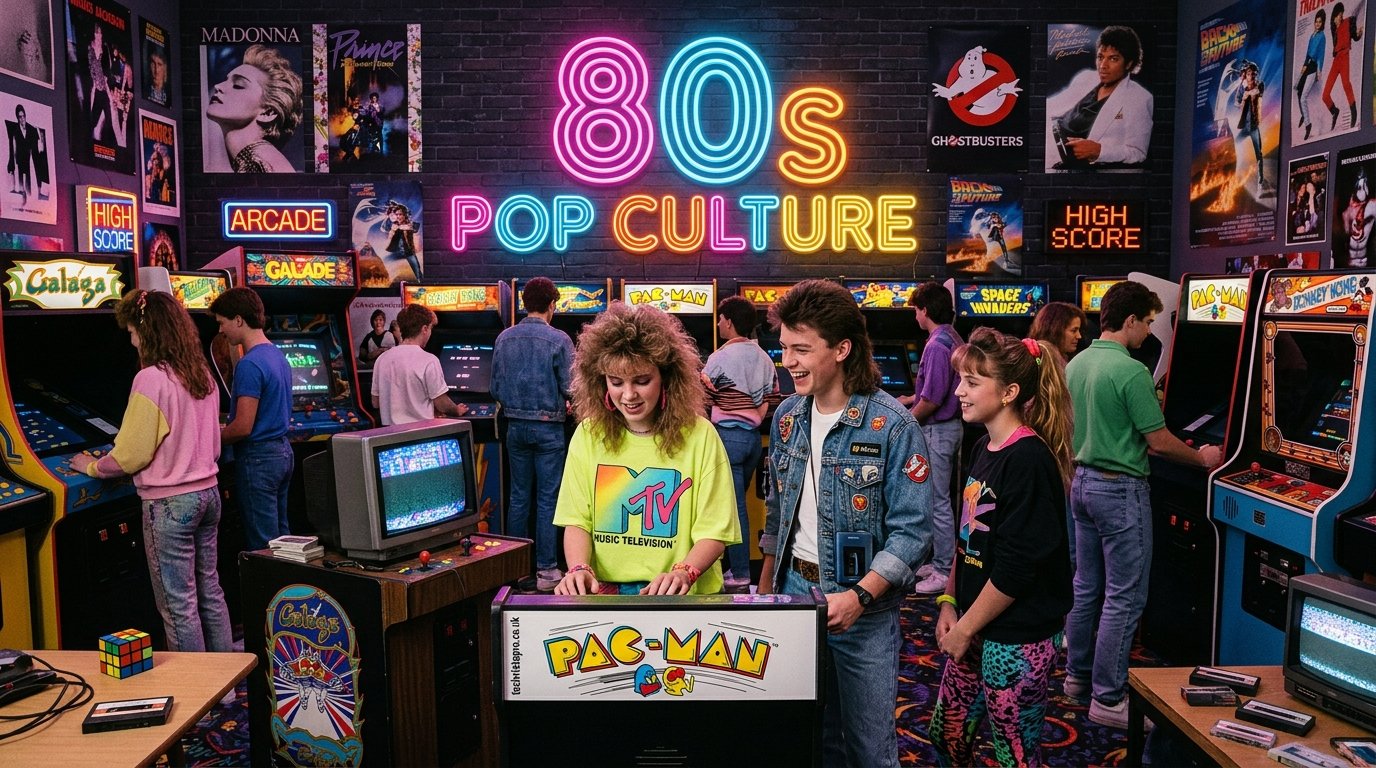
The 1980s remain one of the most colorful and influential decades in modern history. From neon fashion to synth-pop anthems, this era shaped the way music, movies, television, and technology evolved for decades to come. Even today, 80s pop culture continues to inspire fashion trends, film reboots, and nostalgic playlists across the world. Understanding why this decade left such a lasting mark helps explain why so many people still celebrate its music, movies, and memories.
The Rise of MTV and the Music Video Revolution
When MTV launched in 1981, it completely changed how people experienced music. For the first time, songs were not just heard but seen, turning artists into visual storytellers. This new format gave rise to unforgettable music videos that combined choreography, fashion, and cinematic effects in ways audiences had never witnessed before.
Artists like Michael Jackson and Madonna became pioneers of this visual medium, using music videos to build entire personas rather than just promote singles. Michael Jackson’s “Thriller” video, often considered a short film in itself, set a new standard for production quality and storytelling in the music industry.
MTV’s influence extended beyond music videos, shaping youth culture through fashion, slang, and even television programming. It created a shared cultural experience for teenagers across the country, making the channel a defining symbol of 80s pop culture.
Iconic Music of the 1980s
The 1980s music scene was incredibly diverse, blending genres like synth-pop, new wave, glam rock, and early hip-hop. Bands and artists such as Duran Duran, Prince, Whitney Houston, and Bon Jovi dominated the airwaves, each contributing a distinct sound that defined the decade’s musical identity.
Synthesizers became a signature instrument of the era, giving rise to a futuristic, electronic sound that still influences modern pop and electronic music today. This period also saw the rise of hip-hop as a mainstream genre, with artists like Run-D.M.C. and LL Cool J laying the groundwork for what would become a global music movement.
Live performances also gained massive cultural significance, with events like Live Aid in 1985 uniting audiences worldwide for charitable causes. These moments proved that 80s music was not just entertainment but also a powerful tool for social connection and awareness.
Fashion Trends That Defined the Decade
Bold colors, oversized silhouettes, and daring accessories characterized 80s fashion. Shoulder pads, leg warmers, acid-wash jeans, and neon leggings became everyday staples, reflecting the decade’s love for individuality and self-expression. Fashion was less about subtlety and more about making a statement.
Pop icons heavily influenced clothing trends, with Madonna’s layered jewelry and lace gloves inspiring countless fans, while Michael Jackson’s single glove and structured jackets became instantly recognizable style symbols. Punk and preppy styles also coexisted, showing how varied and experimental fashion had become during this period.
Hairstyles were equally dramatic, with big, teased hair and mullets becoming iconic looks for both men and women. This fearless approach to fashion continues to influence modern designers, many of whom regularly draw inspiration from 80s aesthetics for runway collections and streetwear lines.
Hollywood’s Golden Era of Blockbusters
The 1980s produced some of the most beloved films in cinematic history, many of which remain popular today. Movies like “E.T. the Extra-Terrestrial,” “Back to the Future,” and “The Breakfast Club” captured the imagination of audiences with heartfelt storytelling and memorable characters.
Action and science fiction films also flourished during this decade, with franchises like “Star Wars,” “Indiana Jones,” and “Terminator” setting new standards for special effects and storytelling. These films combined groundbreaking technology with compelling narratives, creating a lasting template for blockbuster filmmaking.
Teen movies became a defining genre of the decade, often exploring themes of identity, friendship, and rebellion. Directors like John Hughes captured the authentic voice of young audiences, making films that still resonate with viewers who appreciate genuine, character-driven storytelling.
The Video Game Boom and Home Entertainment
The 1980s marked a turning point for home entertainment, as video games transitioned from arcades into living rooms. The release of the Nintendo Entertainment System in 1985 revitalized the gaming industry after a major market crash, introducing beloved characters like Mario that remain popular today.
Arcade culture also thrived during this period, with games like Pac-Man and Donkey Kong becoming cultural phenomena. These games were not just entertainment but social experiences, bringing people together in shopping malls and entertainment centers across the country.
Home video also saw significant growth, with VHS players becoming common household items. This allowed families to enjoy movies at home for the first time, changing how people consumed entertainment and setting the foundation for today’s on-demand streaming culture.
Television Shows That Shaped a Generation
Television in the 1980s offered a mix of comedy, drama, and family entertainment that appealed to audiences of all ages. Shows like “The Cosby Show,” “Cheers,” and “Miami Vice” became household names, each contributing unique storytelling styles that influenced future television production.
Sitcoms during this era often focused on family dynamics and relatable everyday situations, helping audiences connect emotionally with characters. Meanwhile, primetime dramas explored more complex themes, paving the way for the sophisticated storytelling seen in modern television.
Saturday morning cartoons also played a significant role in shaping childhood memories, with shows like “He-Man” and “The Transformers” becoming cultural touchstones. These programs not only entertained children but also introduced them to merchandise and toy lines that extended their popularity well beyond the screen.
Pop Culture Icons and Celebrities
Certain celebrities became larger-than-life figures during the 1980s, shaping public perception of fame and success. Michael Jackson, often called the King of Pop, redefined what it meant to be a global superstar through his music, dance, and cultural influence.
Madonna similarly broke boundaries, using her platform to challenge societal norms while maintaining massive commercial success. Her ability to reinvent herself throughout the decade made her one of the most talked-about figures in pop culture history.
Sports icons also became cultural symbols during this time, with athletes like Michael Jordan beginning to build the kind of celebrity status that extended far beyond their respective sports. This blending of entertainment and athletics helped create the modern concept of the global celebrity brand.
Technology and Lifestyle Trends
The 1980s introduced technological innovations that changed everyday life. Personal computers became more accessible to households, and the Sony Walkman revolutionized how people listened to music by making it portable for the first time.
These technological advancements also influenced lifestyle habits, encouraging a more mobile and personalized approach to entertainment. People could now enjoy music, movies, and games on their own terms, a shift that laid the groundwork for the digital entertainment habits seen today.
Fitness culture also gained popularity during this decade, with aerobics classes and home workout videos becoming mainstream. This trend reflected a broader cultural shift toward health consciousness, further shaping lifestyle habits that continue to influence wellness culture today.
The Lasting Legacy of 80s Pop Culture
Decades later, 80s pop culture continues to influence movies, music, and fashion in meaningful ways. Nostalgic reboots, retro fashion trends, and synth-inspired music prove that the decade’s creative energy remains relevant to modern audiences.
Streaming platforms have also played a role in reviving interest in 80s entertainment, introducing classic films and shows to younger generations who may not have experienced them originally. This renewed appreciation highlights the timeless appeal of the decade’s storytelling and creativity.
The influence of 80s pop culture extends beyond entertainment, shaping design trends, marketing strategies, and even social behaviors. Its impact demonstrates how a single decade can leave a lasting cultural footprint that continues to inspire creativity across multiple industries.
Conclusion
The 1980s remain a defining era in modern pop culture, celebrated for its bold creativity, innovative technology, and unforgettable entertainment. From music videos to blockbuster films, this decade shaped the way people consume and appreciate culture today. Its influence continues to thrive through fashion trends, nostalgic media, and timeless storytelling, proving that the spirit of the 80s is far from forgotten.
FAQs
What made 80s pop culture so influential? The decade combined technological innovation with bold creativity, particularly through MTV, blockbuster films, and iconic music, which shaped entertainment trends still visible today.
Why is 80s fashion making a comeback? Designers and younger generations are drawn to the decade’s fearless, expressive style, which stands out in a fashion landscape that often favors minimalism.
Which 80s movies are still popular today? Films like “Back to the Future,” “E.T.,” and “The Breakfast Club” remain beloved for their storytelling and continue to attract new audiences through streaming platforms.
How did MTV change the music industry? MTV introduced music videos as a mainstream format, turning artists into visual storytellers and significantly influencing how music was marketed and consumed.
What technology from the 80s still impacts us today? Innovations like personal computers and portable music players from this era laid the foundation for today’s mobile and digital entertainment habits.
