

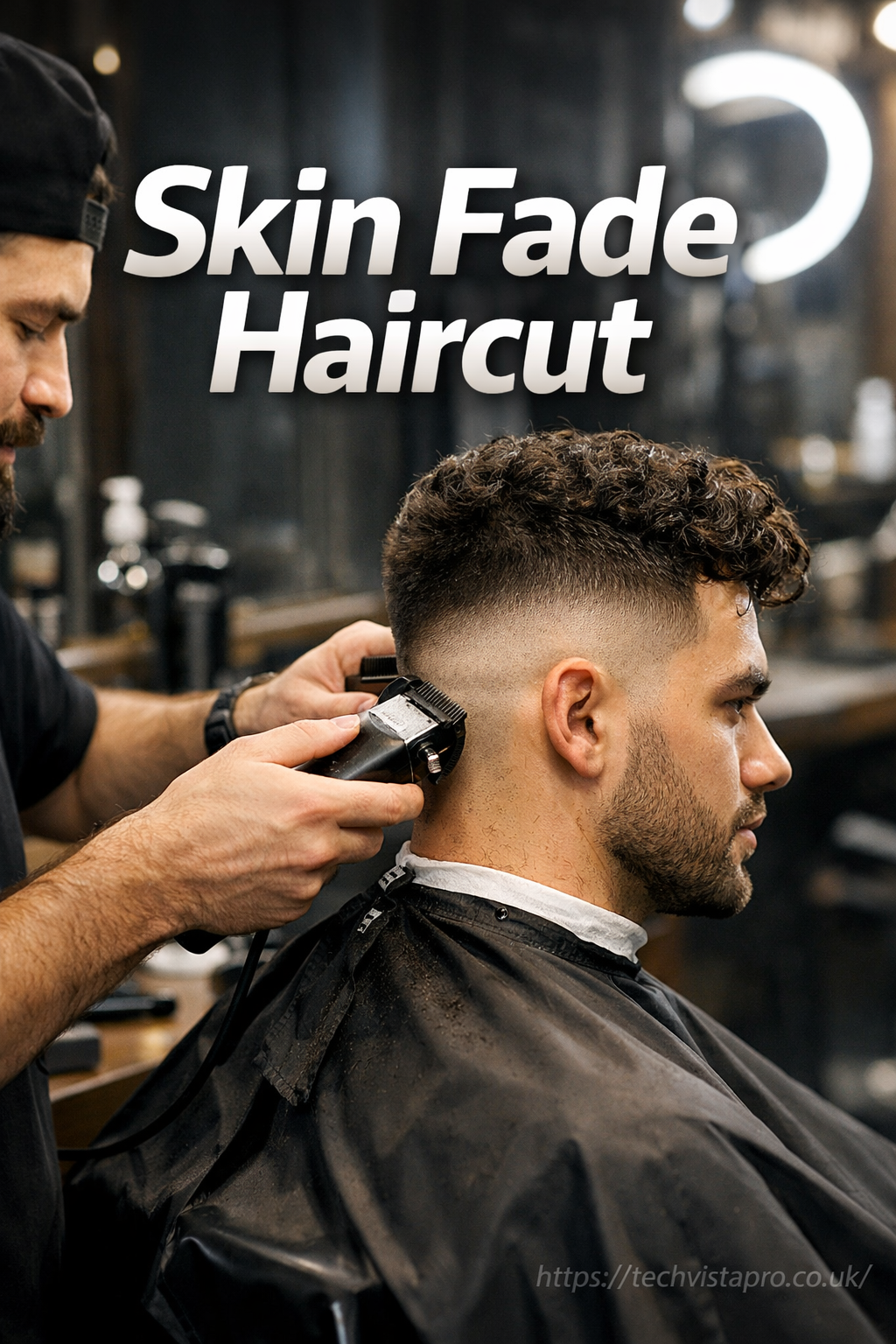
The skin fade haircut has become one of the most defining styles in modern men’s grooming, widely recognized in barbershops across the world. It is a sharp, clean, and highly structured haircut where the hair gradually fades down to the skin, creating a seamless transition from longer hair on top to completely shaved sides at the base. This style is often associated with precision, confidence, and a contemporary aesthetic that fits both casual and professional lifestyles.
Over the past decade, the skin fade has evolved from a simple barbering technique into a global trend influenced by fashion, sports culture, and social media. It is now one of the most requested haircuts because it enhances facial structure, highlights hairstyles on top, and offers endless customization options. Whether paired with curls, straight hair, waves, or textured crops, the skin fade continues to dominate modern hairstyling conversations.
What Is a Skin Fade Haircut?
A skin fade haircut is a grooming technique where the hair on the sides and back is gradually reduced until it completely blends into the skin. This creates a “zero-length” finish at the bottom, meaning the lowest part of the fade is shaved down to the scalp. As the fade moves upward, the hair slowly increases in length, creating a smooth gradient effect that looks clean and structured.
The defining feature of the skin fade is its high contrast appearance, which makes the top hairstyle stand out more dramatically. Unlike softer fades that leave a shadow of hair, the skin fade exposes the scalp at the base, giving it a sharper and more modern edge. This precision makes it one of the most technically demanding but visually impressive haircut styles in barbering.
Origins and Evolution of the Skin Fade
The skin fade has its roots in traditional military grooming, where short, clean haircuts were essential for hygiene and uniformity. Early fade styles were simple and functional, focusing more on practicality than fashion. Over time, barbers began refining blending techniques, turning basic fades into more artistic and personalized hairstyles.
As grooming culture evolved, especially in urban fashion and hip-hop communities, the skin fade became a symbol of style and identity. Modern barbers adapted advanced clipper techniques to create smoother transitions and more creative variations. Today, the skin fade is not just a haircut but a global trend that reflects individuality and attention to detail.
How a Skin Fade Is Created by Barbers
Creating a skin fade requires skill, patience, and a deep understanding of hair structure. A barber begins by establishing a baseline, which is the point where the fade starts to transition into skin. This is usually done using trimmers or a razor to remove all hair at the lowest section, ensuring a clean foundation for blending.
After setting the base, the barber gradually builds the fade using different clipper guard sizes. Each section is carefully blended into the next to avoid harsh lines. The process often involves clipper-over-comb techniques and detailed adjustments to match the natural shape of the head. The final step is refining the fade with precision tools to ensure the transition looks smooth from every angle.
Different Variations of the Skin Fade
The skin fade comes in several variations, each offering a different visual effect depending on where the fade begins. A low skin fade starts just above the ears and creates a subtle, professional look that blends softly into the skin while maintaining structure. It is often preferred by individuals who want a clean haircut without too much contrast.
A mid skin fade begins around the temple area and offers a balanced appearance between subtle and bold. It is one of the most versatile versions because it works well with many face shapes and hairstyles. The high skin fade, on the other hand, starts much higher on the head and creates a strong contrast between the shaved sides and the longer top, making it a bold and fashion-forward choice.
Popular Hairstyles That Pair with a Skin Fade
One of the biggest reasons the skin fade is so popular is its ability to complement almost any hairstyle. Textured crops, for example, look sharper and more defined when combined with a skin fade because the clean sides emphasize the messy texture on top. Similarly, pompadours and quiffs gain more height and structure when paired with a faded base.
Curly and wavy hair types also benefit greatly from the skin fade. The contrast between natural volume on top and clean sides creates a balanced and stylish look. Even simple buzz cuts become more refined with a skin fade, as it adds detail and shape instead of leaving a uniform length across the entire head.
Maintenance and Upkeep of a Skin Fade
A skin fade requires regular maintenance to keep its sharp appearance. Because the hair is shaved down to the skin at the base, regrowth becomes visible quickly, which can soften the clean gradient effect. Most people return to the barber every two to three weeks to maintain the fresh, sharp look that defines the style.
At home, proper care helps extend the life of the haircut. Keeping the scalp clean prevents irritation and dryness, especially in the faded area. Styling products such as wax, clay, or light pomade can help maintain the shape of the hair on top, ensuring the overall style remains structured and balanced between barber visits.
Why the Skin Fade Became So Popular
The popularity of the skin fade is strongly linked to modern grooming culture and social influence. Celebrities, athletes, and influencers frequently showcase variations of the skin fade, making it a recognizable and aspirational style. Its clean appearance fits well with both streetwear fashion and professional environments, making it highly versatile.
Another reason for its popularity is its adaptability. The skin fade can be customized in countless ways depending on personal style, hair type, and face shape. This flexibility allows individuals to express personality while maintaining a polished and modern appearance, which is why it remains one of the most requested haircuts in barbershops worldwide.
Common Mistakes and Barbering Challenges
Despite its popularity, the skin fade is one of the most challenging haircuts to execute properly. One common mistake is creating uneven blending, where visible lines appear between different fade levels. This usually happens when the transition between clipper guards is not carefully managed or when the barber rushes the process.
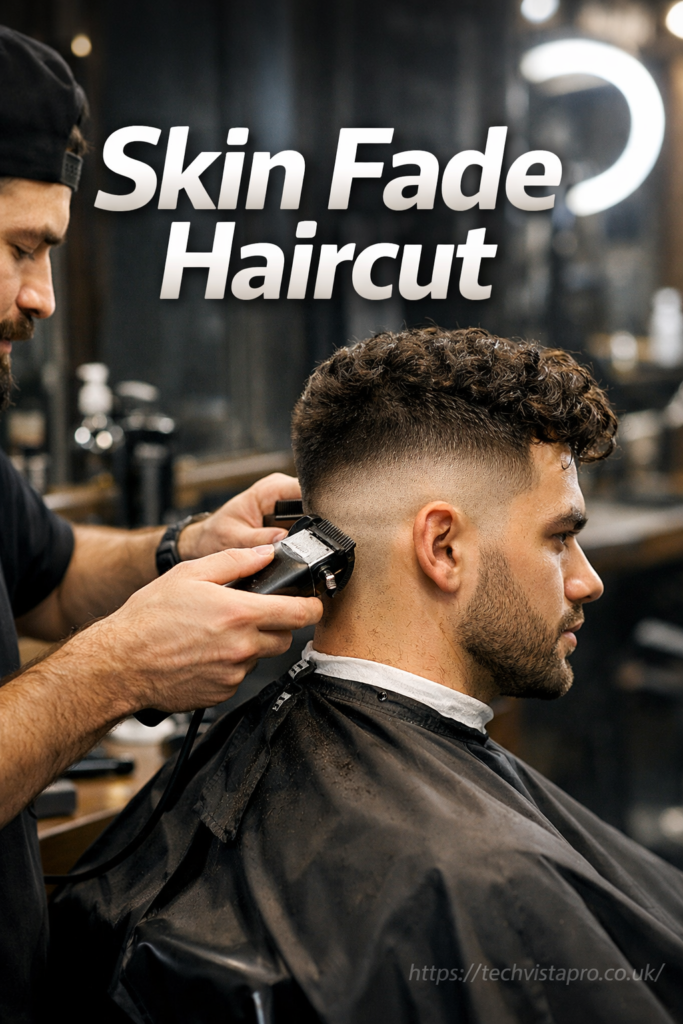
Another challenge is maintaining symmetry on both sides of the head. Because every head shape is different, barbers must adjust the fade according to natural contours. Poor attention to detail can result in an unbalanced look. A well-done skin fade requires consistency, precision, and a strong understanding of blending techniques.
Conclusion
The skin fade haircut has established itself as a cornerstone of modern men’s grooming, combining technical precision with stylish versatility. Its ability to create a clean transition from skin to longer hair makes it one of the most visually striking and widely adopted hairstyles in the world. From low and subtle fades to bold high variations, the style continues to evolve while maintaining its core identity.
