

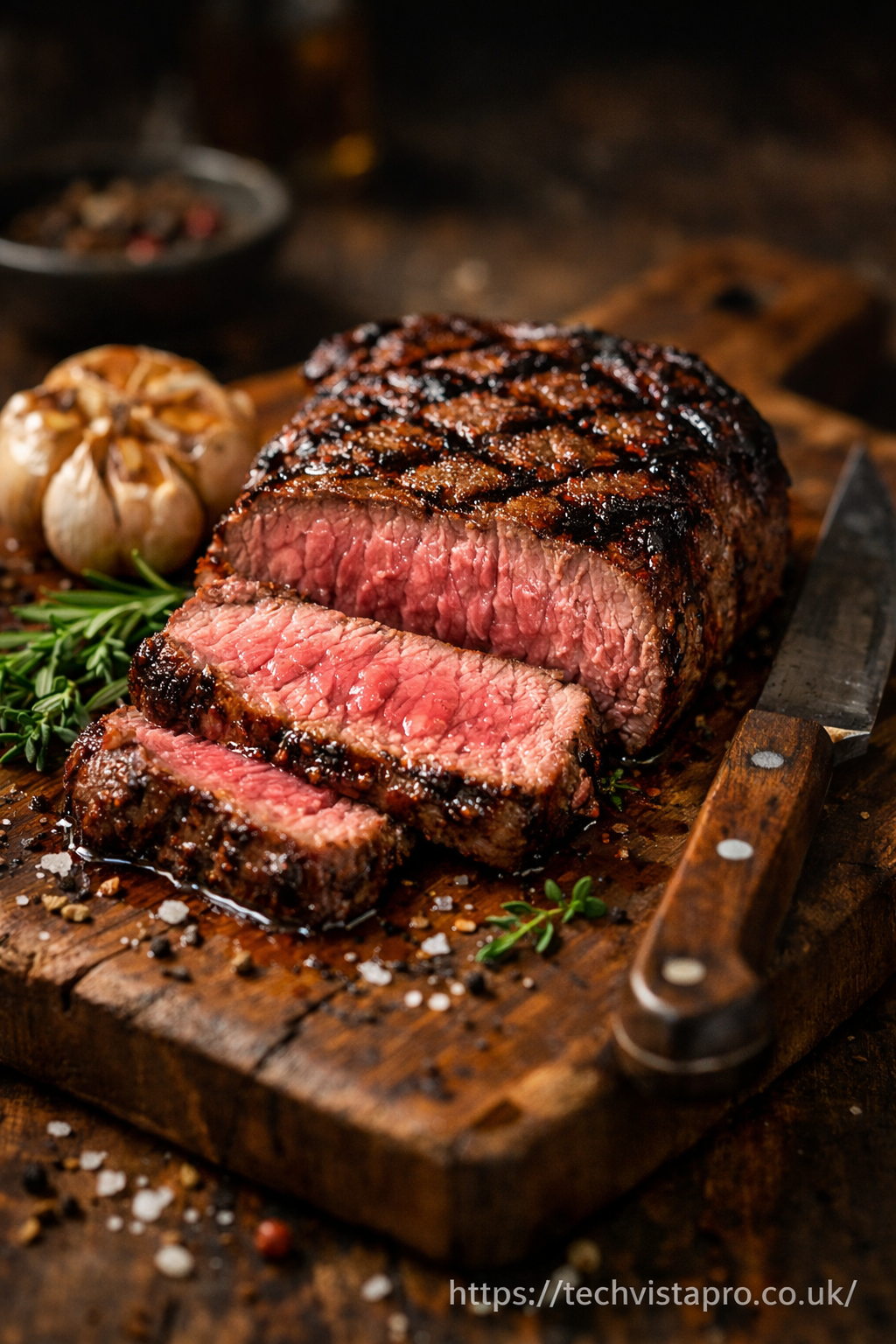
Medium rare is one of the most talked-about doneness levels in the world of cooking, especially when it comes to steak. It represents a perfect balance between a well-seared exterior and a juicy, tender interior that still retains its natural color and moisture. For many food lovers, chefs, and culinary experts, medium rare is not just a preference but a standard that showcases the true quality of meat.
The concept of medium rare goes beyond just cooking time. It involves understanding heat control, meat structure, and how proteins react during cooking. When done correctly, medium rare steak delivers a rich flavor, soft texture, and a satisfying eating experience that is difficult to achieve at other levels of doneness. This is why it is often recommended for premium cuts of beef.
In modern cooking, medium rare has become a benchmark for excellence. Whether you are dining at a high-end restaurant or cooking at home, mastering this doneness level can significantly elevate your culinary skills. It is both a science and an art that requires precision, patience, and a good understanding of ingredients.
Understanding the Science Behind Medium Rare
Cooking meat to medium rare involves complex physical and chemical changes. When heat is applied to meat, proteins begin to denature and coagulate, which changes the texture. At the same time, the fat within the meat starts to render, adding flavor and juiciness. Medium rare occurs at a point where these processes are balanced without overcooking the meat.
One of the most important scientific aspects is moisture retention. At lower temperatures, the muscle fibers do not contract as aggressively, allowing the meat to hold onto its natural juices. This is why medium rare steak is noticeably more tender and juicy compared to well-done meat, where most of the moisture has been lost.
Another key factor is the Maillard reaction, which occurs on the surface of the meat when it is exposed to high heat. This reaction creates the brown crust and enhances flavor through caramelization. Medium rare cooking ensures that this flavorful crust forms while preserving the delicate interior.
Ideal Temperature Range for Medium Rare
Temperature plays a crucial role in achieving the perfect medium rare steak. The ideal internal temperature typically falls between 130°F and 135°F (54°C to 57°C). This range ensures that the meat is warm throughout while maintaining its signature pink center.
Maintaining this temperature requires careful monitoring, as even a slight increase can push the steak into medium doneness. Carryover cooking is another important concept, where the internal temperature continues to rise slightly after the steak is removed from heat. This is why chefs often take the steak off the heat just before it reaches the target temperature.
Using a meat thermometer is the most reliable way to achieve accuracy. While experienced cooks may rely on touch or timing, a thermometer eliminates guesswork and ensures consistent results. This level of precision is essential for anyone aiming to cook steak professionally or at home with confidence.
Appearance, Texture, and Flavor Profile
A medium rare steak has a very distinct appearance that sets it apart from other doneness levels. When sliced, the center displays a warm pink color with a slight red hue, surrounded by a thin layer of browned meat. The exterior crust is usually dark and slightly crispy, adding visual and textural contrast.
The texture of medium rare steak is one of its most appealing qualities. It is tender and soft, with just enough firmness to provide structure. Unlike rare steak, which can feel overly soft, or well-done steak, which can be tough, medium rare offers a balanced mouthfeel that many people find ideal.
Flavor is where medium rare truly stands out. The retained juices enhance the natural taste of the meat, while the rendered fat adds richness. This combination creates a deep, satisfying flavor that is both complex and enjoyable, making medium rare a favorite among steak enthusiasts.
Why Chefs Recommend Medium Rare
Professional chefs often recommend medium rare because it brings out the best qualities of the meat. At this level of doneness, the steak retains its natural juices, ensuring that each bite is flavorful and moist. Overcooking can mask these qualities, making the meat less enjoyable.
Medium rare also allows the unique characteristics of different cuts to shine. Whether it is the buttery texture of a filet mignon or the rich marbling of a ribeye, cooking to medium rare highlights these differences. This makes it the preferred choice in fine dining settings.
Another reason chefs favor medium rare is consistency. It is easier to control and replicate compared to other doneness levels. This reliability is important in professional kitchens, where delivering a high-quality dish every time is essential.
Best Cuts of Meat for Medium Rare
Not all cuts of meat are equally suited for medium rare cooking. Premium cuts with good marbling tend to perform best because the fat enhances flavor and keeps the meat juicy during cooking. Ribeye, strip steak, and tenderloin are among the most popular choices for medium rare preparation.
These cuts come from parts of the animal that are less worked, resulting in more tender meat. The marbling within these cuts melts during cooking, adding richness and improving texture. This makes them ideal for achieving the perfect medium rare result.
On the other hand, tougher cuts with less fat may not benefit as much from medium rare cooking. These cuts often require slower cooking methods to break down connective tissue. Choosing the right cut is therefore essential for achieving the desired outcome.
Cooking Techniques for Perfect Medium Rare
Achieving medium rare perfection requires proper technique and attention to detail. One of the first steps is allowing the steak to reach room temperature before cooking. This helps ensure even cooking and prevents the outside from overcooking while the inside remains underdone.
High heat is essential for creating a good sear. Whether using a grill, cast-iron pan, or broiler, the goal is to quickly brown the exterior while keeping the interior at the desired temperature. This step is crucial for developing flavor and texture.
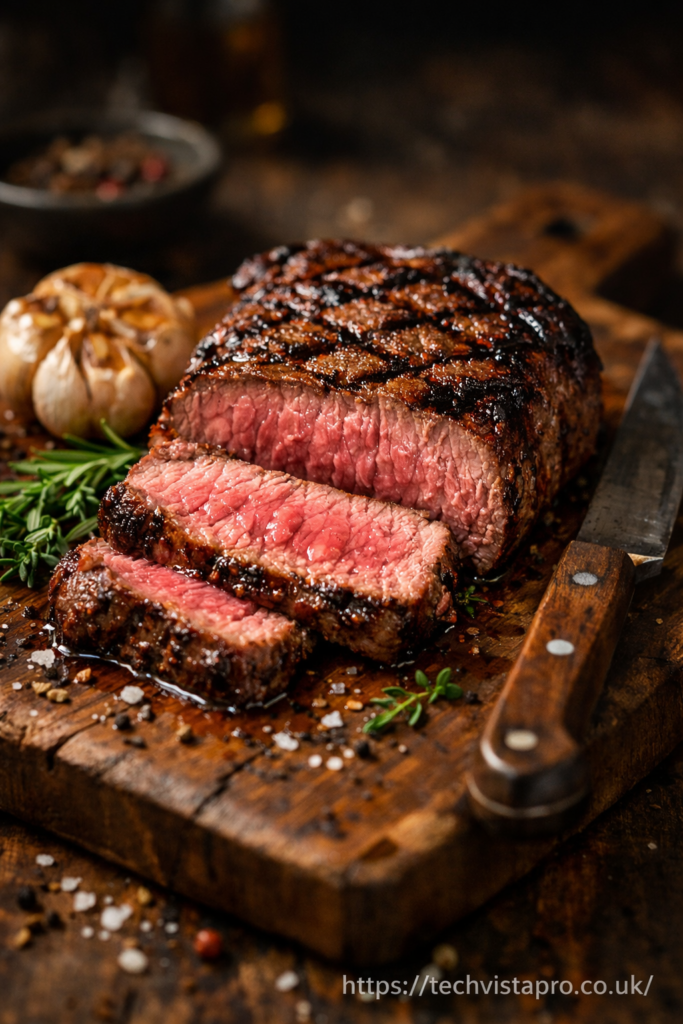
Resting the steak after cooking is equally important. During this time, the juices redistribute throughout the meat, resulting in a more tender and flavorful steak. Skipping this step can lead to a loss of moisture and a less satisfying eating experience.
Common Mistakes to Avoid
Many people struggle to achieve medium rare because of common mistakes. One of the biggest errors is overcooking the steak. This often happens when heat is too high for too long, causing the internal temperature to rise beyond the desired range.
Another mistake is not using a thermometer. Relying solely on visual cues or cooking time can lead to inconsistent results. A thermometer provides accuracy and helps prevent overcooking or undercooking.
Cutting into the steak immediately after cooking is also a common issue. This releases the juices and reduces the overall quality of the meat. Allowing the steak to rest ensures that it remains juicy and flavorful.
Health and Safety Considerations
Medium rare steak is generally safe to eat when prepared correctly. Whole cuts of beef typically have bacteria only on the surface, which is eliminated during cooking. This makes medium rare a safe option for most people when proper handling and cooking techniques are followed.
However, it is important to use high-quality, fresh meat and maintain good kitchen hygiene. Proper storage, handling, and cooking practices all contribute to food safety. These steps help minimize the risk of contamination and ensure a safe dining experience.
It is also worth noting that certain groups, such as pregnant individuals or those with weakened immune systems, may need to take extra precautions. In such cases, cooking meat to a higher temperature may be recommended for safety reasons.
Conclusion
Medium rare is more than just a level of doneness; it is a culinary standard that represents the perfect balance of flavor, texture, and juiciness. By understanding the science behind it, maintaining the correct temperature, and using proper cooking techniques, anyone can achieve a high-quality result
