

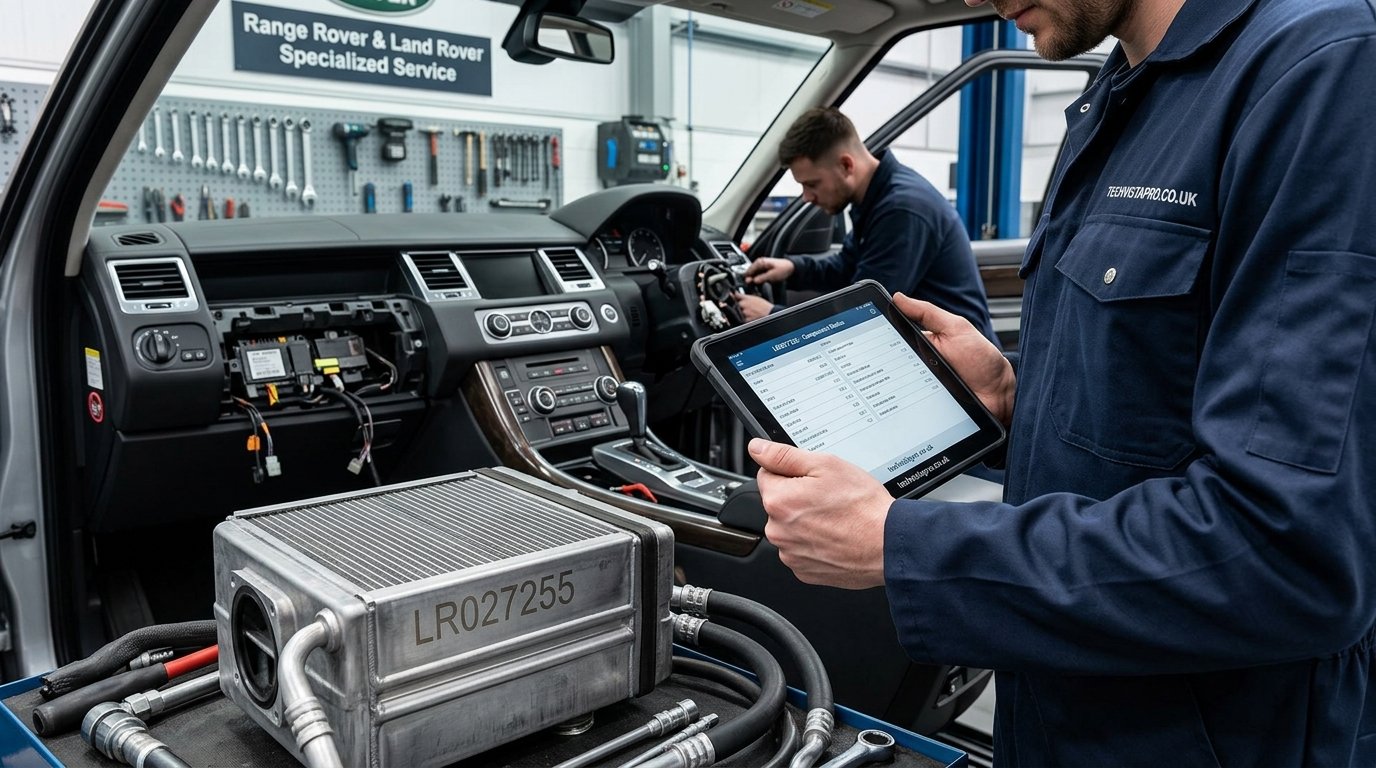
Land Rover vehicles are known for their premium engineering, refined styling, and strong off-road capability. Behind this reputation, however, lies a network of small but highly important components that keep exterior trim systems secure and functional. One of these components is LR027255, a genuine Land Rover wheel arch molding clip used across multiple Range Rover and Discovery models. While it may seem insignificant due to its size, this small OEM fastener plays a critical role in maintaining the structural stability and visual integrity of wheel arch moldings.
Owners often discover LR027255 when dealing with loose wheel arch trims, rattling fender liners, or partially detached body cladding. These issues are common in vehicles exposed to rough roads, off-road driving, or long-term environmental wear. Because wheel arch areas are constantly hit by debris, water, and vibration, the retaining clips holding the moldings in place eventually weaken or break. Replacing them with genuine OEM parts restores proper fitment and ensures long-term durability.
LR027255 is specifically engineered by Jaguar Land Rover to meet factory standards for trim retention. Unlike generic aftermarket clips, this OEM component is designed to match exact mounting tolerances and material strength requirements. This ensures the wheel arch molding stays securely attached even under extreme driving conditions. Understanding its role, applications, failure patterns, and installation process is essential for maintaining the premium condition of Land Rover vehicles.
Understanding LR027255 and Its Role in Land Rover Design
The LR027255 clip is classified as a wheel opening molding retainer used to secure wheel arch trims and exterior body cladding. In Land Rover design architecture, wheel arch moldings serve both protective and aesthetic purposes. They shield the body from road debris while contributing to the rugged yet refined styling that defines models like the Range Rover Evoque and Discovery Sport.
This clip is manufactured using high-strength automotive polymer material designed to resist vibration, moisture, and temperature changes. Since wheel arch areas are exposed to continuous stress from road impact and environmental conditions, the material must maintain flexibility while also providing firm locking strength. LR027255 is engineered to balance both requirements effectively.
In factory assembly, this clip ensures that the molding aligns perfectly with the body contour. Even slight misalignment can affect the aerodynamic flow around the wheel arch area or create visible gaps that disrupt the vehicle’s premium finish. Land Rover engineers rely on precise tolerances, and LR027255 is designed specifically to support that level of accuracy.
Importance of Wheel Arch Moldings in Land Rover Vehicles
Wheel arch moldings are an essential part of Land Rover’s exterior design strategy. They provide a protective barrier against mud, gravel, water spray, and other debris thrown by rotating tires. Without properly secured moldings, the lower body panels would be exposed to accelerated wear and potential corrosion over time.
Beyond protection, these moldings also play a significant role in the visual identity of Land Rover vehicles. They help define the muscular, off-road-ready stance while maintaining a clean, luxury-oriented appearance. A properly fitted wheel arch molding creates a seamless transition between body panels and enhances the vehicle’s overall symmetry.
The LR027255 clip ensures that this design integrity remains intact. When clips are in good condition, the molding sits flush against the body with no gaps or movement. However, when clips weaken or break, the molding can begin to lift or shift, disrupting both function and appearance.
Vehicle Applications and Compatibility Overview
LR027255 is widely used across several Jaguar Land Rover platforms, particularly in models that feature plastic or composite wheel arch extensions. It is commonly associated with Range Rover Evoque, Discovery Sport, and select Discovery variants, especially those manufactured from the early 2010s onward.
These models often use modular exterior trim systems, meaning that wheel arch moldings are attached using multiple clips distributed along the arch curve. LR027255 functions as one of these key fastening points, ensuring even pressure distribution and stable mounting.
In many cases, the same clip design is used across different trims and body styles within the same model family. This standardization allows Land Rover to maintain consistent repair procedures and parts availability across global markets. However, exact compatibility can still vary depending on trim level, production year, and regional specifications.
Common Causes of LR027255 Clip Failure
Despite being manufactured from durable materials, LR027255 clips are exposed to constant environmental stress that eventually leads to wear and failure. One of the most common causes is continuous vibration caused by uneven road surfaces and suspension movement. Over time, this vibration can weaken the locking mechanism of the clip.
Off-road driving conditions significantly increase the likelihood of damage. Mud, stones, and debris can directly impact the wheel arch area, placing sudden force on the molding and its retaining clips. Even a single strong impact can crack or dislodge the clip from its mounting position.
Environmental aging is another major factor. Exposure to heat, cold, and ultraviolet radiation gradually reduces the flexibility of the plastic material. In colder climates, clips may become brittle and break during minor impacts or when the molding is removed for maintenance. In hotter climates, long-term heat exposure can reduce structural resilience.
Symptoms of Damaged Wheel Arch Molding Clips
A failing LR027255 clip often reveals itself through visible and audible symptoms. One of the earliest signs is a slight gap forming between the wheel arch molding and the vehicle body. This gap may be small at first but tends to expand as more clips weaken over time.
Drivers may also notice rattling or fluttering noises coming from the wheel arch area, especially at higher speeds. These sounds occur when the loose molding vibrates against the body or nearby trim components due to insufficient support from broken clips.
In more advanced cases, the molding may visibly shift or lift during driving or after washing the vehicle. High-pressure water from car washes can sometimes worsen the issue by forcing water behind the trim and stressing already weakened clips.
Ignoring these symptoms can eventually lead to partial or complete detachment of the wheel arch molding, which may expose underlying body panels to damage and increase repair costs significantly.
OEM LR027255 vs Aftermarket Alternatives
Choosing between OEM and aftermarket clips is an important decision for Land Rover owners. While aftermarket clips may appear similar in shape and size, they often lack the precise engineering required for long-term performance in luxury vehicles.
OEM LR027255 clips are manufactured according to strict Land Rover specifications. This ensures correct fitment, consistent locking pressure, and reliable performance under real-world driving conditions. The material quality is also carefully controlled to withstand environmental stress without premature failure.
Aftermarket alternatives, on the other hand, may vary in material strength and dimensional accuracy. Even small differences can affect how securely the molding is held in place. A slightly loose or overly tight clip can lead to either vibration issues or installation damage.
For this reason, professional repair technicians and body shops often prefer OEM clips when restoring Land Rover exterior trim systems. Using genuine parts helps maintain factory-level quality and reduces the likelihood of repeat repairs.
Installation Process and Fitment Considerations
Installing LR027255 clips typically involves removing the wheel arch molding to access the damaged fasteners. Once the molding is carefully detached, the old clips are inspected and removed from their mounting points. Proper care is required during this process to avoid damaging the molding itself.
Before installing new clips, technicians usually clean the mounting area to remove dirt, debris, or corrosion. This ensures a secure and flush fit once the new clip is inserted. The LR027255 clip is then positioned into the designated mounting hole and pressed into place until it locks securely.
After installation, the wheel arch molding is reattached by aligning it carefully along the arch contour and applying even pressure. Proper alignment is essential because incorrect positioning can place stress on the clips and lead to premature failure.
Many technicians recommend replacing multiple clips at the same time, especially in older vehicles. Since all clips are exposed to the same environmental conditions, replacing only one damaged piece may not fully resolve underlying wear issues in the surrounding fasteners.
Problems Caused by Ignoring Damaged Clips
Neglecting damaged LR027255 clips can lead to a series of escalating issues. As the molding becomes loose, airflow during driving can cause it to vibrate more aggressively, increasing stress on remaining clips. This often results in a chain reaction where additional clips fail over time.
Loose wheel arch moldings can also trap dirt and moisture behind the trim. Over time, this trapped debris can contribute to surface corrosion or paint deterioration on underlying body panels. In severe cases, water intrusion can affect surrounding trim components.
From a safety perspective, a detached or partially loose molding can become a hazard at highway speeds. If the trim piece fully detaches, it may strike other parts of the vehicle or create a road hazard for other drivers.
Cosmetically, damaged wheel arch trim reduces the premium appearance of Land Rover vehicles. Since these vehicles are designed with precise body lines and luxury finishes, even small misalignments are highly noticeable and can negatively impact resale value.
Importance of OEM Quality in Land Rover Maintenance
Land Rover vehicles are engineered with a strong emphasis on precision and luxury craftsmanship. Every component, including small clips like LR027255, contributes to the overall performance and appearance of the vehicle. Using OEM parts ensures that this engineering standard is maintained.
Genuine Land Rover clips are tested for durability, environmental resistance, and long-term reliability. This testing ensures they perform consistently under a wide range of driving conditions, from urban roads to off-road environments.
OEM components also ensure compatibility with factory assembly systems. This reduces installation errors and ensures that body panels align correctly after repairs. Proper alignment is essential for maintaining both aerodynamic efficiency and aesthetic quality.
For owners who value long-term vehicle preservation, OEM clips provide peace of mind by maintaining original factory integrity and reducing the risk of repeated trim issues.
Conclusion
LR027255 may be a small wheel arch molding clip, but it plays a vital role in maintaining the structural integrity and appearance of Land Rover vehicles. It ensures that wheel arch moldings remain securely attached, properly aligned, and resistant to environmental stress
